The Chobe River forms part of Botswana's northern border with Namibia. Along its southern bank lies the riverfront of Chobe National Park, the country's first national park, close to the small town of Kasane. In the dry months, when water elsewhere has gone, animals come down to the river in very large numbers. The park is known above all for its elephants.
For a notebook, the Chobe is the louder counterpart to the Okavango Delta. Instead of a silent dugout, you are usually on a motor boat or in a vehicle on the riverfront tracks, and instead of a few animals glimpsed through the reeds, there may be hundreds in view at once.
The riverfront
The Chobe riverfront is the part of the park closest to Kasane. Between the river and the higher ground runs a floodplain of grass, with woodland behind. Game drives follow tracks along the riverfront, and boats run on the river itself. Both are arranged locally and the park has its own rules and entry fees.
Across the water lies the Namibian bank, low and green, with the floodplains of the Caprivi region beyond. The river is wide here and slow, divided in places by grassy islands where buffalo and elephants graze.
Elephants at dusk
Chobe National Park has one of the largest concentrations of elephants in Africa. In the late afternoon of the dry season, family groups walk down from the woodland to drink, bathe and cross between the bank and the islands. Young elephants play in the shallows; older ones spray water and dust over themselves.
turn to page 3Hoi An by the Thu Bon RiverWatching from a boat, you are often at water level, close to where the animals drink but at a safe distance set by the boat's driver. It is easy to spend an hour simply watching and forget to write at all. Try to note small things as they happen: how a group moves together, the sound an elephant makes as it pulls up water, the way the light changes on wet skin.
Other animals and birds
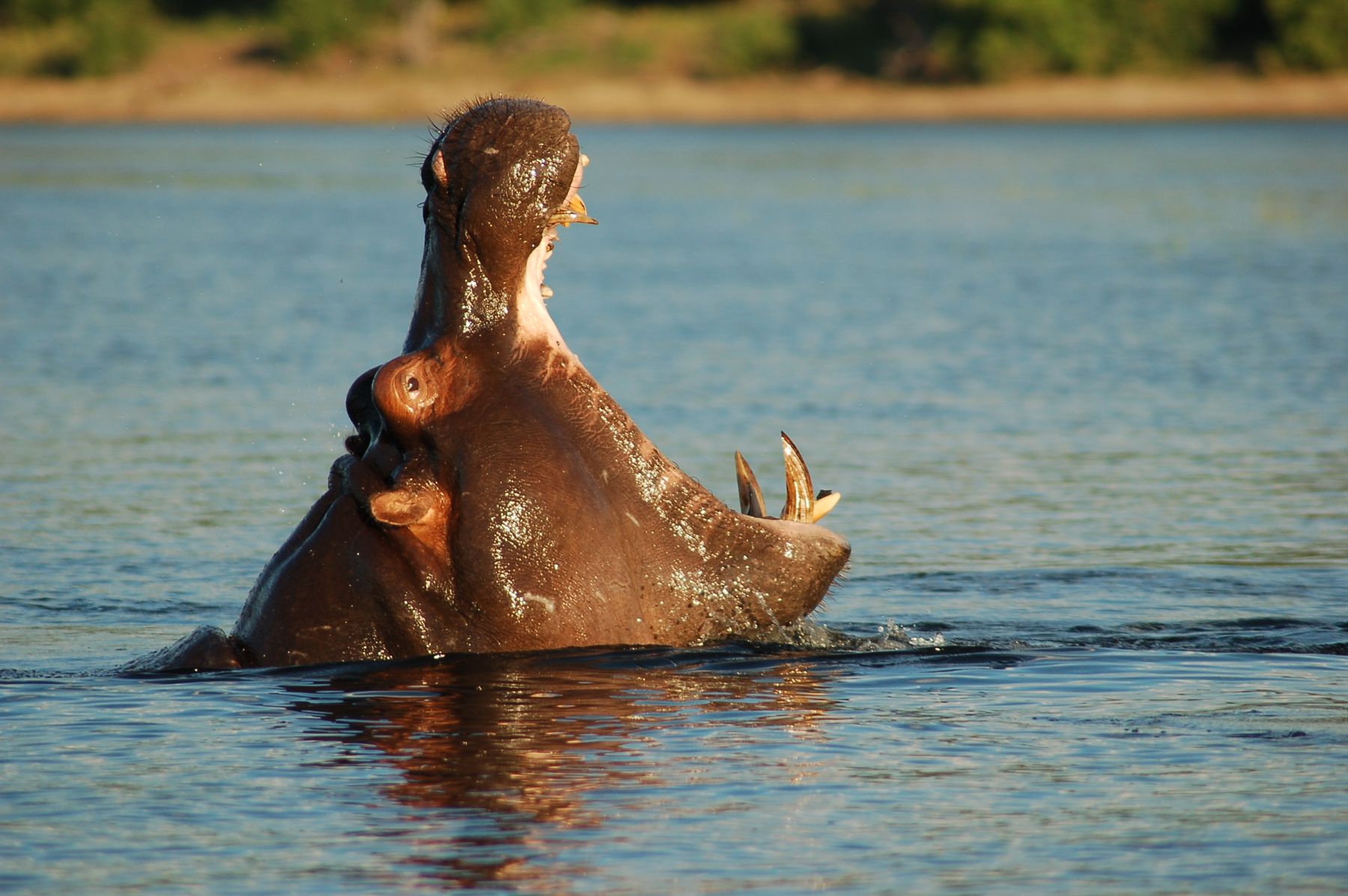
Elephants are only part of the riverfront. Hippos spend the day in the water and come out to graze at night. Crocodiles lie on the banks, and buffalo, antelope and giraffe come down to drink. The river is also excellent for birds, from kingfishers and herons to fish eagles, whose call is one of the most recognisable sounds of African rivers.
Keep a simple list at the back of your notebook of the animals and birds you see, with the time and roughly where. It takes seconds and will be the page you reread most often.
A pair of binoculars changes the river. With them you can watch a kingfisher hover over the water, see which way a group of elephants is heading long before they arrive, and pick out the small birds that walk on the floating plants. Share them with others on the boat; the best sightings of the day often come from the person who was looking the other way.
Seasons and the last light
The dry season, roughly May to October, is when the riverfront is busiest with animals, as water inland dries up. From about November to March the rains arrive, the bush turns green, animals spread out and many migratory birds appear. Both seasons are rewarding, in different ways.
Evenings on the river are the reason many people come. As the sun goes down, the water turns orange and the animals become silhouettes. Write fast in the last light, a line or two, and put the notebook away in its dry bag before dark. The notebook page has more on writing on boats. It can be surprisingly cold on the water after sunset in winter, so carry a warm layer.
The other pages
Photographers and licences: picture owners.