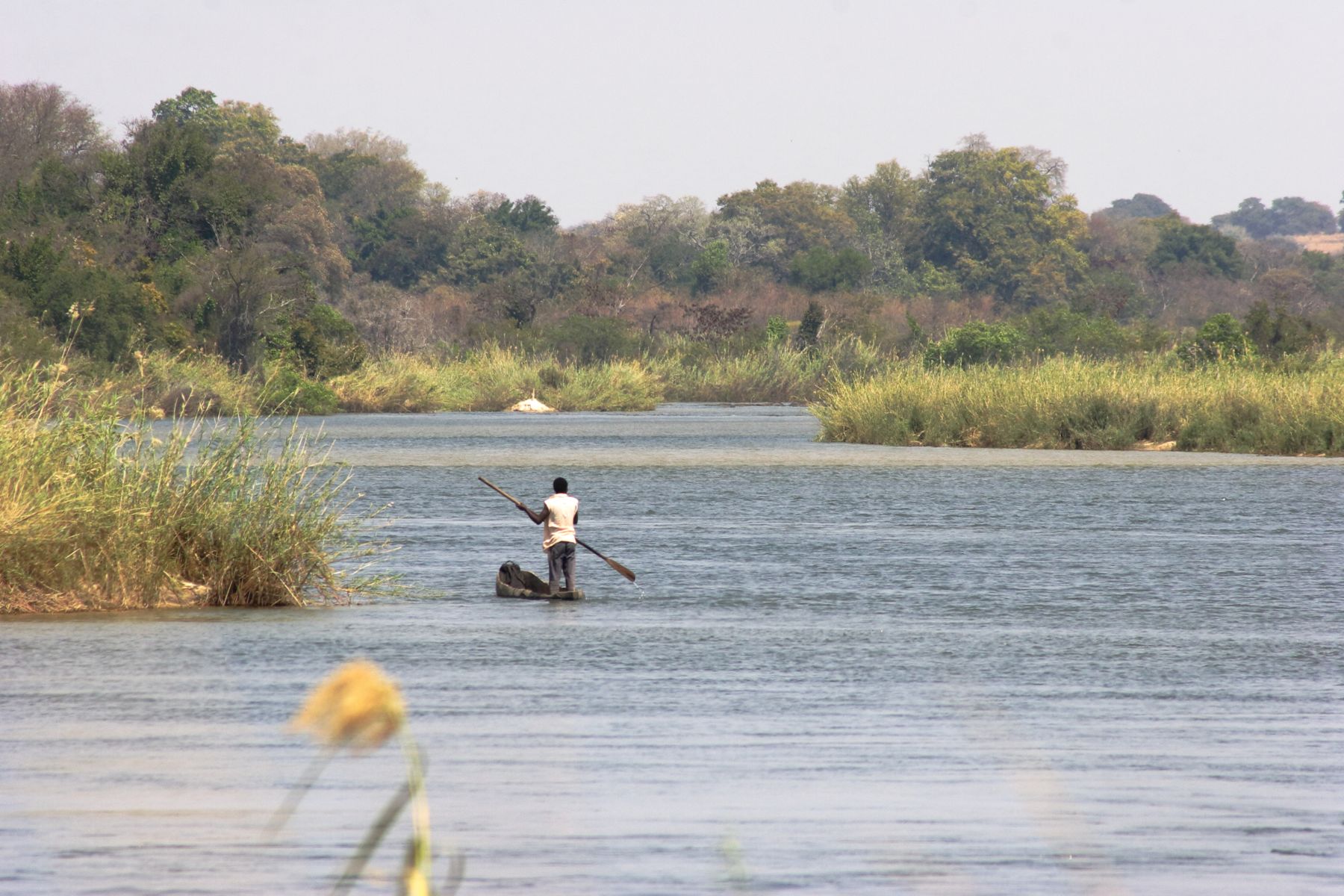
The Okavango is one of the strangest rivers in Africa. It rises in the highlands of Angola, flows south-east across a strip of Namibia and into northern Botswana, and then never reaches the sea. Instead it spreads out over the flat sands of the Kalahari into a vast inland delta of channels, lagoons, floodplains and islands, where most of its water evaporates or soaks away. The Okavango Delta has been a World Heritage site since 2014, the thousandth site added to the list.
It is also, for a writer, one of the most rewarding places on earth, mainly because of how you travel through it. In much of the delta, the way to explore the water is from a mokoro.
Travelling by mokoro
A mokoro is a narrow canoe, traditionally carved from a single tree trunk and today often made of fibreglass to protect the trees. A poler stands at the back and pushes the boat along with a long pole, in the way people in the delta have travelled for generations. Passengers sit low, close to the water, and the boat moves almost silently.
That silence is the point. Without an engine you hear the delta properly: the pole entering the water, birds in the reeds, frogs, wind in the papyrus. Sitting this low, you see lilies, insects and small fish at eye level. Write little at first. Listen for ten minutes, then put down what you heard before you try to describe what you saw.
Mokoro trips are arranged locally through lodges, camps and community operators, usually with a licensed poler; this page names none.
Without an engine you hear the delta properly: the pole entering the water, birds in the reeds, frogs, wind in the papyrus.turn to page 2Hanoi's Old Quarter and Hoan Kiem Lake, page by page
A flood that arrives in the dry season
The delta's oddest rhythm is the timing of its flood. Rain falls in the Angolan highlands in the southern summer, roughly November to March, but the water takes months to travel down the river and across the flat delta. It usually reaches its widest extent in the middle of the year, during Botswana's dry winter, when the land around the delta is at its driest.
So the delta is often at its fullest from around June to August, just as animals from the surrounding dry country move towards the water. That is why the middle of the year is the busiest season. The exact timing and size of the flood vary from year to year.
In the wet summer months the picture changes again. Rain falls on the delta itself, the grass grows tall, many animals spread out into the wider country, and migrant birds arrive in large numbers. Water levels in the channels can be lower at this time, so some mokoro routes are shorter or not possible. Neither season is better for writing; they simply give you different material to work with. In winter you write about crowds of animals and cold mornings, and in summer about storms, green growth, insects and birdsong.
Islands and walking
Many mokoro trips stop on an island for a walk with a guide. Islands in the delta range from tiny mounds topped by a single palm to large areas of woodland, and some began as termite mounds that trees later grew on. Walking is done carefully and on the guide's instructions, because the animals here are wild.
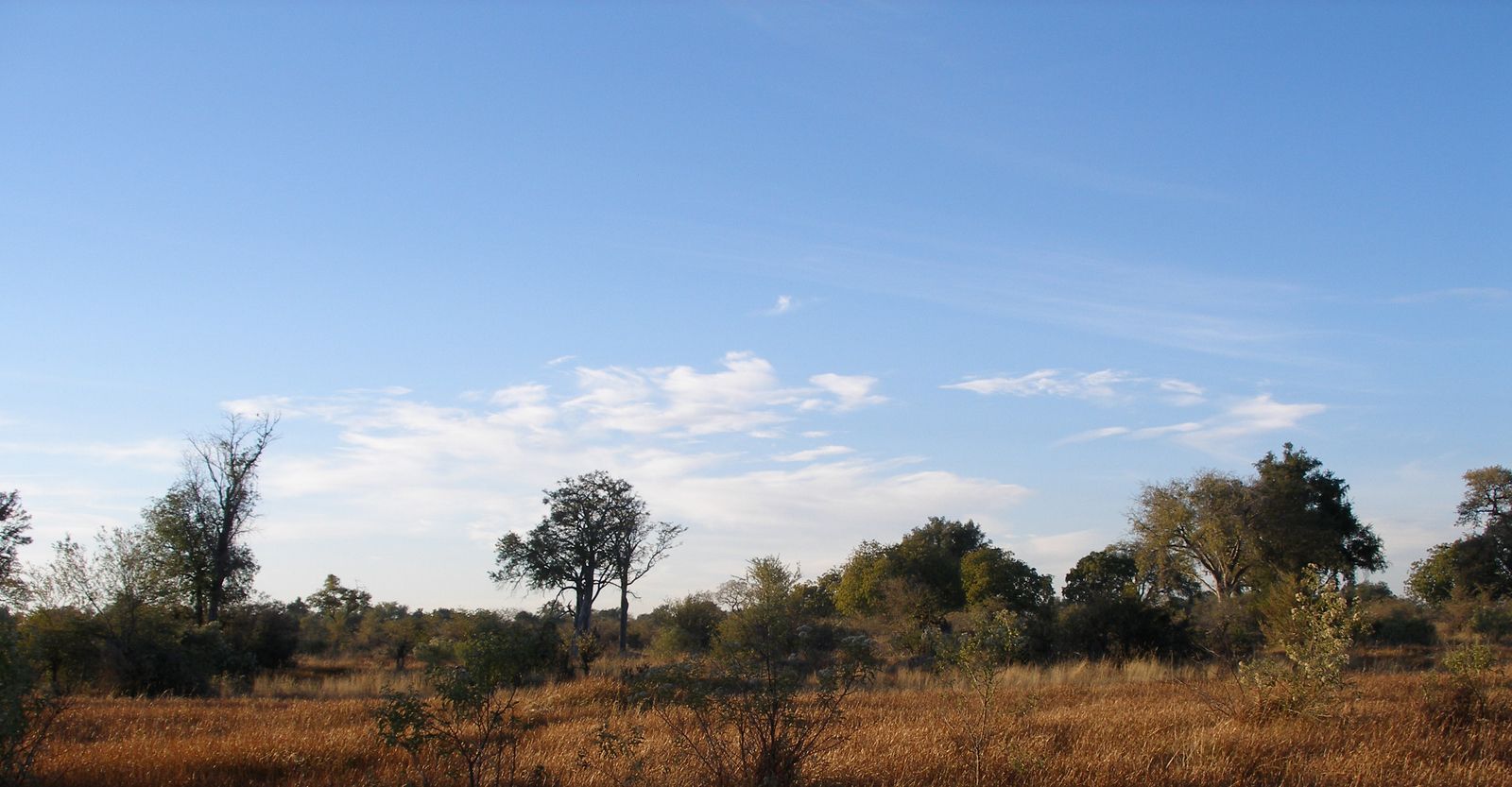
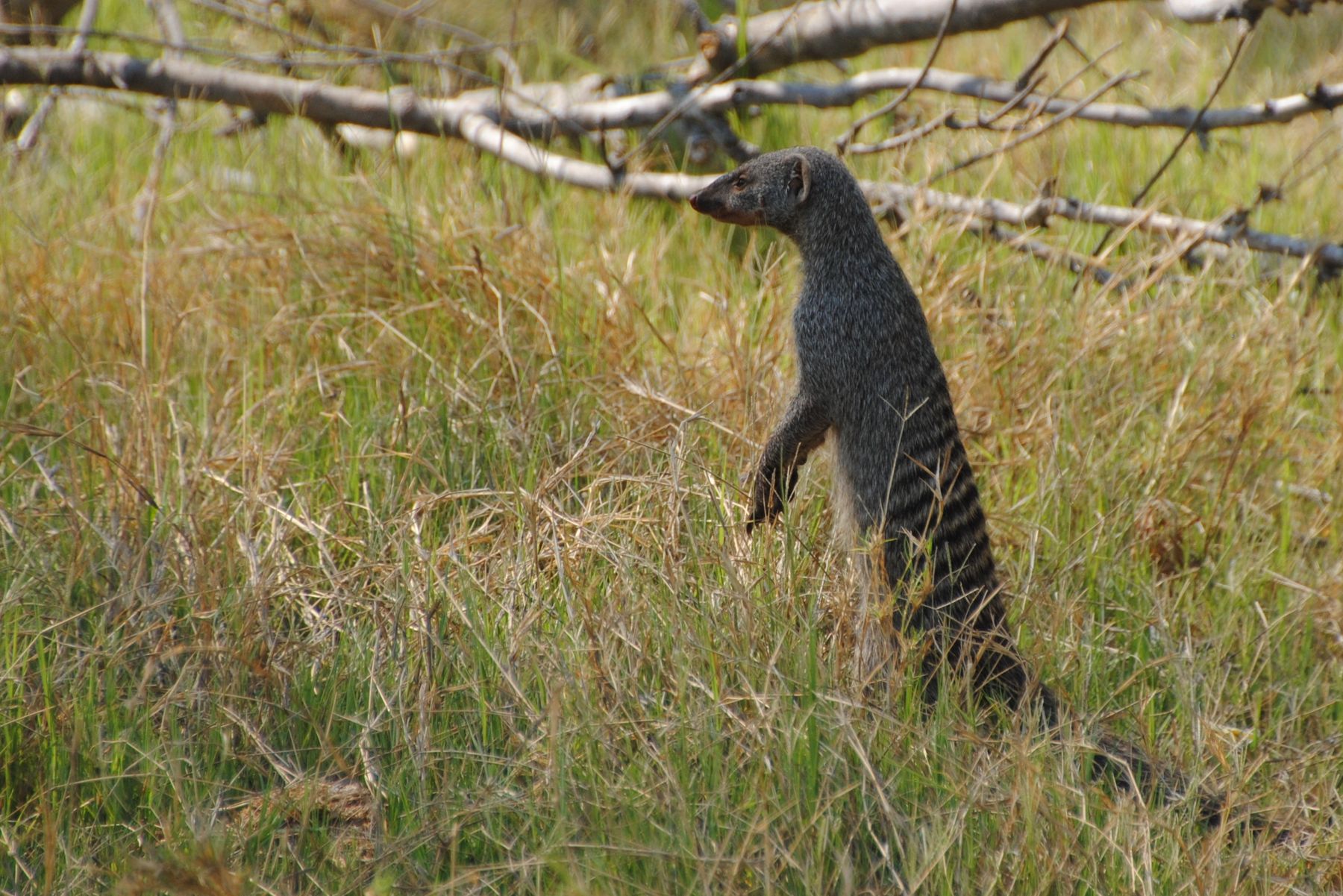
The eastern part of the delta includes Moremi Game Reserve, a protected area of floodplains, woodland and permanent water. Elephants, buffalo, antelope, big cats and many birds live in and around the delta. You will usually see them at a distance, and that distance is right. Write what animals do, not only what they are: a herd crossing a channel, a heron waiting, an elephant feeding on reeds.
Writing on the water
A mokoro is not a desk. It rocks a little, and you need your hands for balance when getting in and out. Keep the notebook in a dry bag between the moments you write, and use a pencil, which works on damp paper. Two lines and a quick sketch of a channel bend are plenty on the water; save the longer entry for the evening, as the notebook page suggests.
From the delta, many journeys in northern Botswana continue north-east to the Chobe River, where the experience is quite different: wider water, boats with engines and huge numbers of elephants. Reading the two pages together shows how much the way you travel shapes what you write.
The other pages
Photographers and licences: picture owners.